


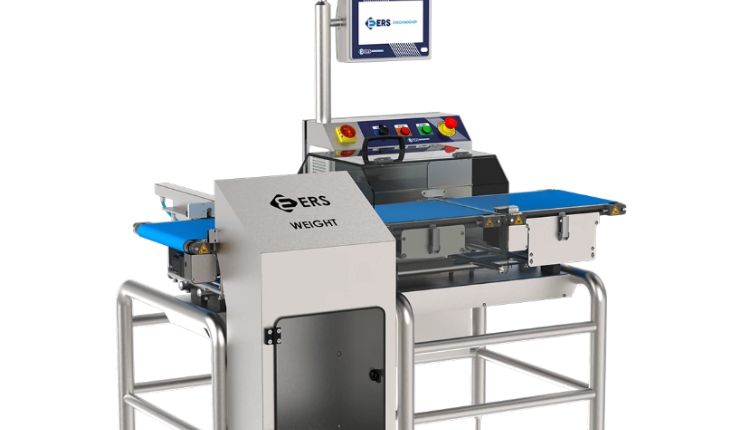
Prioritize precision speed and the right reject system
When choosing an auto reject checkweigher, the first features to evaluate are weighing accuracy, processing speed, and rejection performance. In modern production lines, even a small weight deviation can create compliance issues, product inconsistency, and customer dissatisfaction. A reliable system should therefore deliver high precision while keeping up with continuous line speeds. On the ERS Checkweigher, the 1,500 gr model is presented as a solution built for modern production lines, with advanced weighing performance and fast processing capacity designed to support both productivity and quality control.
The reject mechanism is just as important as the weighing unit itself. An effective auto reject system removes underweight or overweight products without interrupting the rest of the operation. Depending on the product type and line design, different reject options may be more suitable, including piston pushing, air blowing, double valve, free fall, and single valve systems. This flexibility matters because every production setup handles products differently, and the reject method should match the packaging format, product flow, and required efficiency.
Businesses comparing auto reject checkweigher systems should focus on a machine that combines stable weighing accuracy with a reject structure that fits their real production conditions.
Look for usability data visibility and long term efficiency
Beyond weighing performance, usability plays a major role in day to day operations. A checkweigher should be easy for operators to manage, especially in busy production environments where quick decisions matter. According to the ERS Checkweigher, this model includes a 10.2 inch color touch panel that displays measurement results, settings, and production statistics in a clear format. A user friendly control interface can shorten training time, reduce operator error, and improve response speed on the line.
Another key feature is access to statistical data and production graphs. Recorded measurement results help manufacturers analyze trends, identify deviations, and improve internal quality control. This kind of visibility is valuable not only for operators but also for managers preparing audits, reports, and process improvements. ERS Checkweigher also highlights automatic weight labeling and easy conveyor change as practical advantages that support production continuity and reduce manual workload. When all of these features come together in one system, the result is not just a weighing device but a stronger quality assurance tool for long term operational efficiency.


